In 2014, ISIS shocked the world with their brutality and the speed with which they took a large swath of Iraqi and Syrian territory. One year later, most countries, including the United States, are still trying to figure out what is driving this group and how best they can be defeated.
J.M. Berger, an investigative journalist and non-resident fellow at the Brookings Institution’s Project on U.S. Relations with the Islamic World, brings a uniquely qualified perspective to the analysis of the challenges posed by ISIS’s rise. In ISIS: State of Terror, Berger and Jessica Stern, a lecturer on terrorism at Harvard University, draw upon intelligence sources, law enforcement officials, and their own groundbreaking research to explain the genesis, evolution, and implications of the Islamic State—and how we can fight it. The authors analyze the tools ISIS fighters use both to frighten innocent citizens and lure new soldiers—including the “ghoulish pornography” of their pro-jihadi videos, the seductive appeal of “jihadic chic,” and its startlingly effective social media expertise.
Berger brings a long history of experience researching and reporting on jihadist extremists to his analysis of ISIS. He is the author of Jihad Joe: Americans Who Go to War in the Name of Islam and of a newly released census of pro-ISIS Twitter activity. Berger is also the founder of Intelwire.com, a web site publishing investigative journalism, analysis, and primary source documents on terrorism and international security.
New America is pleased to welcome Mr. Berger and other experts for a discussion of ISIS and the policy responses to its rise.
Join the conversation online using #StateofTerror and following @NatSecNAF.
Copies of Berger’s book will be available for purchase by cash, check, or credit card.
Participants
J.M. Berger
Non-Resident Fellow, Project on U.S. Relations with the Islamic World, Brookings Institution
Co-Author, ISIS: The State of Terror
Douglas Ollivant
ASU Future of War Senior Fellow, New America
Managing Partner and Senior Vice President for Strategy, Mantid International
Tara Maller
Research Fellow, International Security Program, New America
Associate Director for Strategic Communications, Franklin Project, the Aspen Institute
Moderator: Peter Bergen
Director, International Security Program, New America
Abducted Abroad : Returning American Hostages, New America DC
Hostage-taking, particularly the capture of Westerners, has emerged as a prominent jihadist tactic in recent years. In Syria and Iraq, ISIS has executed four Americans it took hostage. In Pakistan, Al Qaeda has held Warren Weinstein, a 73-year-old aid worker and contractor, hostage since 2011. Many European countries have agreed to pay the demanded ransoms for their kidnapped citizens, while the United States refuses to do so. With the Obama administration conducting a months-long review of American hostage policy, what can be done to return Americans held hostage abroad? Should the United States negotiate with and offer concessions to hostage-takers or pay ransoms?
Debra Tice, the mother of Austin Tice, an American journalist who has been missing in Syria since 2012, has wrestled with these complexities in America’s hostage policy on the most personal level. She has previously written about her ordeal, saying: “The oft-repeated cliche is ‘there is no handbook’ for what we are going through. That hardly begins to express the challenges we face. In reality, no government policy and no established support network exist to help families navigate the many questions suddenly requiring an answer.” Few confront these questions in as direct a manner and with as much on the line.
Barak Barfi is the spokesman for the family of Steven Sotloff, an American journalist executed by ISIS late last year. In his role, Barfi communicated directly with ISIS and debriefed a number of the European hostages who were incarcerated with Mr. Sotloff. He is also a research fellow at New America, specializing in Arab and Islamic affairs.
Gary Noesner spent 23 of his 30 years in the FBI as a hostage negotiator and the last ten years of his career as the chief of the FBI Crisis Negotiation Unit. He was heavily involved in numerous hostage, barricade, and suicide incidents, as well as over 120 overseas kidnapping cases involving American citizens. In his book, Stalling for Time: My Life as an FBI Negotiator, Noesner tells the story of his career and the cases he has dealt with. As a senior vice president for Control Risks, an international risk consultancy, Noesner spent years working a kidnapping case involving three American defense contractors taken hostage by Colombian rebels.
New America is pleased to welcome Ms. Tice, Mr. Barfi, and Mr. Noesner for a discussion of American hostage policy and the challenges of returning Americans taken hostage abroad.
Join the conversation online using #AbductedAbroad and following @NatSecNAF.
Copies of Noesner’s book will be available for purchase by cash, check, or credit card.
Participants
Gary Noesner
Former Chief FBI Crisis Negotiation Unit, Critical Incident Response Group; and Former Senior Vice President Control Risks
Author, Stalling For Time: My Life as an FBI Negotiator
Debra Tice
Mother of Austin Tice
Barak Barfi
Research Fellow, New America
Spokesman, Family of Steven Sotloff
Moderator: Peter Bergen Director, International Security Program, New America
New America
1899 L Street NW, Suite 400, Washington, DC 20036
Tuesday, April 7, 2015 | 12:00 pm – 2:00 pm
The Islamic State of Iraq and Syria (often referred to as ISIS, ISIL, or The Islamic State) is becoming increasingly technically sophisticated in the way they target their adversaries. In late November 2014, a Syrian activist group running the non-violent campaign “Raqqa Is Being Slaughtered Silently,” which documents ISIS’s human rights abuses in the northern Syrian city of Raqqa, received an anonymous email containing advanced malware. The group reported the malware to the University of Toronto’s Citizen Lab, which subsequently published a report linking the malware attack to ISIS. This was the first known digital attack perpetrated by the group against civil society in Syria, and there have been many more attacks since then. Please join our panel of the Syrian activists and information security professionals who were involved in this original case, as we discuss the challenges that Syrian civil society faces today.A light lunch will be served at the event.
Follow the discussion online using #DigitalThreat and following @NewAmerica.
Participants:
Abu Ibrahim Raqqawi @Raqqa_Sl
Co-Founder, Raqqa Is Being Slaughtered Silently
Ahmad Al-Zoughbi @azoughbi
Cyber-Arabs Progect, Institute for War and Peace Reporting
John Scott-Railton @azoughbi
Cyber-Arabs Project, Institute for War and Peace Reporting
Honey Al Sayed @honeysayed
Co-Founder, SouriaLi
Peter Bergen
Director, International Security Program, New America
Peter Bergen is CNN’s national security analyst, a vice president at New America and a professor of practice at Arizona State University. He is the author of “Manhunt: The Ten-Year Search for bin Laden — From 9/11 to Abbottabad.” David Sterman is a research associate at New America.
(CNN)Wednesday’s terrorist attack, which killed 23 people, hit Tunisia where it hurt by targeting its flourishing tourism industry.
The deadly attack on the prominent Bardo Museum near Tunisia’s parliament in the country’s capital, Tunis, is the latest instance of an armed assault carried out by gunmen willing to fight to the death, a tactic that has been widely adopted by jihadist terrorists in recent years, including in North Africa.
Such attacks mimic the 2008 Mumbai assaults in which 10 gunmen from Pakistan went on a rampage in the massive Indian port city. They took hostages and killed more than 160 people over a three-day period, in an attack that drew sustained global TV coverage. The gunmen attacked iconic Mumbai targets such as the Taj hotel, which is frequented by Westerners.
Peter Bergen
David Sterman
The Mumbai gunmen embarked on their attack knowing that it was a “fedayeen” mission — meaning “those who sacrifice themselves” — and that they would probably fight to the death. Only one gunman survived.
In this week’s Tunisia attack, the gunmen took hostages, two gunmen died in the assault, and three survived and are being hunted by the Tunisian government.
Tunisian Prime Minister Habib Essid said the attackers at the Bardo Museum had specifically targeted tourists to hurt the country’s economy.
This seems a likely outcome of the attack, as tourism is vital to Tunisia’s economy, providing 15% of GDP.
Tunisia is also the only country where the Arab Springproduced a successful, lasting democratic transition, making it attractive to tourists who are avoiding going to countries like Egypt, which did not weather the Arab Spring as well as Tunisia. Already, some tour companies are canceling excursions to Tunis.
In January, in Tunisia’s neighbor Libya, the local branch of ISIS mounted a similar attack on the upscale Corinthia Hotel in the capital, Tripoli. Two gunmen, one of them a Tunisian, killed 10 people, including an American. Both gunmen died in the attack.
This attack served ISIS’ purposes of sowing greater instability in Libya and expunging Western influence from the country, as the hotel was where many foreign businessmen stayed.
A senior US official told one of us that the U.S. intelligence community estimates that jihadist terrorist groups such as ISIS now control a twelfth of the landmass of Libya, which is one of the largest countries on the African continent. This is a sobering finding for Tunisia, which had been largely immune from the kinds of terrorist attacks that have recently plagued Libya and other North African countries.
While the museum attack in Tunisia and the hotel attack in Libya may help terrorist groups to achieve their strategic goals, more often than not, armed assaults by terrorists against so-called soft targets such as hotels, supermarkets and malls do not achieve much beyond the tactical successes of global news coverage and causing mayhem.
In September 2013, Al-Shabaab, the Somali al Qaeda affiliate, killed 67 people in a fedayeen-style armed assault on the Westgate Mall in Nairobi, Kenya. Four gunmen carried out the attack, which unspooled over a four-day period.
The Westgate attack received much global news coverage and was designed to put pressure on the Kenyan government, which had sent troops to Somalia to fight Al-Shabaab. However, a year and a half after the attack on the mall, Al-Shabaab continues to lose territory in Somalia, and the Kenyan military has continued to battle the terrorist group.
The plague of Mumbai-style armed assaults by jihadist terrorists is not confined to Africa.
The Paris attacks received considerable coverage around the world but had no impact on France’s willingness to continue its involvement in coalition airstrikes against ISIS.
Why U.S. troops need to stay in Afghanistan beyond 2016, CNN.com
Why U.S. troops need to stay in Afghanistan beyond 2016
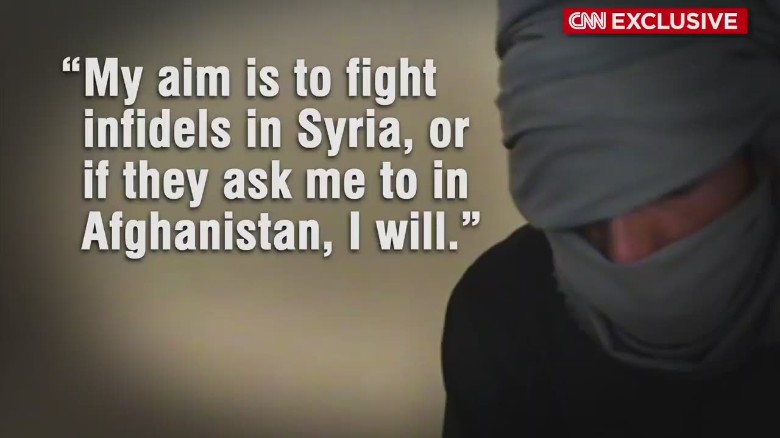
Video reveals ISIS recruiting in Afghanistan 01:31
Story highlights
President Obama is planning withdrawal of all U.S. troops from Afghanistan by end of 2016
Peter Bergen: The move would invite the kind of chaos we’ve seen in Iraq
Peter Bergen is CNN’s national security analyst, a vice president at New America and professor of practice at Arizona State University. He has made frequent reporting trips to Afghanistan for CNN since 1993. This story draws on a piece that appeared in January.
(CNN)The first state visit to the United States of Afghan President Ashraf Ghani and Chief Executive Officer Abdullah Abdullah was supposed to take place in early March. But the visit was delayed because Republican leaders had invited Israeli Prime Minister Benjamin Netanyahu to address Congress during the same time period.
According to two Afghan government officials involved in the planning for the visit, the Afghan government believed American media attention would be largely focused on Netanyahu, so the first U.S. visit of the new Afghan president was delayed by two weeks, which is a useful reminder that there is a sound reason why congressional leaders shouldn’t unilaterally extend invitations to foreign leaders.
Ghani and Abdullah arrived in Washington on Sunday and have had much to discuss with the Obama administration. For the Afghan government, the timetable of President Barack Obama’s proposed troop withdrawal is the key issue.
Obama says that the last American troops will leave Afghanistan at the end of 2016. This happens to roughly coincide with the end of his second term in office and also fulfills his campaign promise to wind down America’s post-9/11 wars.
Ghani is clearly uncomfortable with the pace of this U.S. troop withdrawal, telling CBS’ “60 Minutes” in January, “deadlines should not be dogmas” and that there should be a “willingness to reexamine” the withdrawal date.
Is Obama’s withdrawal plan a wise policy?
Short answer: Of course not.
One only has to look at the debacle that has unfolded in Iraq after the withdrawal of U.S. troops at the end of 2011 to have a sneak preview of what could take place in an Afghanistan without some kind of residual American presence.
Without American forces in the country, there is a strong possibility Afghanistan could host a reinvigorated Taliban allied to a reinvigorated al Qaeda, not to mention ISIS, which is gaining a foothold in the region.
Needless to say, this would be a disaster for Afghanistan. But it would also be quite damaging to U.S. interests to have some kind of resurgent al Qaeda in the country where the group trained the hijackers for the 9/11 attacks.
It would also be disastrous for the Democratic Party, should it win the presidency in 2016, to be the party that “lost” Afghanistan.
After all, the Democratic Party is viewed by some as weaker on national security than the Republicans and it is inevitable that without some kind of residual American presence in Afghanistan, al Qaeda would gain sufficient strength to launch an attack from the Afghan-Pakistan border region against American interests somewhere in the world.
On Tuesday, President Obama announced that the withdrawal of U.S. forces from Afghanistan would be slowed and the remaining 9,800 troops would stay there through the end of 2015. But this welcome development does not change the central issue, which is the Obama administration’s withdrawal date of December 2016 for all U.S. forces.
Merely because the Obama administration will be almost out the door at the end of 2016 doesn’t mean that suddenly at the same time that the Taliban will lay down their arms, nor that the Afghan army will be able to fight the Taliban completely unaided. Nor does it mean that al Qaeda — and ISIS, which is beginning to establish small cells in Afghanistan — would cease to be a threat.
An easy way for potential Democratic presidential candidates such as Hillary Clinton to distinguish their national security policies from Obama’s would be to say that they are in favor of some kind of long-term U.S. military presence in Afghanistan and to argue that it would be needed to avoid an Iraq-style outcome.
Similarly, as the Republican Party starts ramping up for the 2016 campaign, potential candidates such as Jeb Bush can distinguish themselves from the isolationist Rand Paul wing of the party by saying that they are committed to a long-term presence in Afghanistan.
This U.S. military presence in Afghanistan doesn’t have to be a large, nor does it need to play a combat role, but U.S. troops should remain in Afghanistan to advise the Afghan army and provide intelligence support.
Such a long-term commitment of several thousand American troops is exactly the kind of force that the Obama administration was forced to deploy to Iraq following ISIS’s lightning advances there over the past year.
Selling a longer-term U.S. military presence in Afghanistan would be pushing against an open door with that nation’s government. Consider that within 24 hours of being installed, the new Afghan government led by Ghani and Abdullah signed the basing agreement that allows American troops to stay in Afghanistan until December 2016.
Consider also that the Afghan government has already negotiated a strategic partnership agreement with the United States lasting until 2024 that would provide the framework for a longer term U.S. military presence. Consider also that many Afghans see a relatively small, but long-term international troop presence as a guarantor of their stability.
It is also not in Pakistan’s interests for Afghanistan to fall to the Taliban or be thrust into another civil war. The Pakistanis have seen for themselves repeatedly the folly of allowing the Taliban to flourish on their own soil, most recently in the Taliban attack in December on the army school in Peshawar that killed 132 children.
It is in Pakistan’s own interest that the Afghan army is able to fight effectively against the Taliban, which is more likely if they continue to have American advisers at their side.
Other regional powers such as the Chinese worry about Chinese Uighur separatists establishing themselves on Afghan soil. The Russians are similarly worried about Islamist terrorist groups located in Afghanistan and so will not stand in the way of a small long-term U.S. military presence in Afghanistan as that would dovetail with their own security concerns about the country.
Keeping a relatively small, predominantly U.S. Special Forces, presence in Afghanistan to continue to train the Afghan army past December 2016 is a wise policy that would benefit both Afghans and Americans.
Both the Democratic and Republican parties should adopt such a plan in their platforms as they gear up for the 2016 campaign. And Obama should do his successor a favor by leaving this important decision up to the next President.
Un vistazo a la decadencia y caída de bin Laden, CNN.es
(CNN) — Los documentos de al Qaeda que fueron dados a conocer recientemente, entre ellos cartas dirigidas a y escritas por Osama bin Laden en el transcurso de más o menos un año antes de su muerte en mayo de 2011, evidencian a una organización que entendía que tenía serios problemas a causa del programa de drones de la CIA, el cual le estaba dando muerte a muchos de los líderes del grupo en las regiones tribales de Paquistán en la frontera con Afganistán.
Como resultado de esa presión, los dirigentes de al Qaeda estaban considerando seriamente reubicar a elementos de la organización en otros países, como Afganistán o Irán. También empezaron a participar en discusiones de cese al fuego por medio de intermediarios con elementos del servicio de inteligencia paquistaní, aunque los documentos sugieren que no hubo resultado de esas discusiones y no hay evidencia en los documentos que indique que el gobierno paquistaní tuviera alguna idea acerca de la ubicación o presencia de bin Laden en Paquistán.
Los esfuerzos de la CIA para espiar al grupo y matar a sus líderes fueron tan eficaces que en junio de 2010, un dirigente de al Qaeda le dijo lo siguiente a bin Laden: “Deberías tener pocos intercambios de correspondencia con nosotros durante este tiempo. Haz que el periodo de tiempo entre un contacto y otro sea más prolongado. Toma medidas extremas de cuidado y precaución, especialmente este año”.
Este fue un sabio consejo. Unas pocas semanas después de que esta carta fuera escrita, la CIA le siguió la pista al correo de confianza de bin Laden hasta su antigua guarida en Abbottabad, Paquistán, y el 1 de mayo de 2011, una operación de los Navy SEAL de EE.UU. ordenada por el presidente Barack Obama, le dio muerte al líder de al Qaeda.
Los nuevos documentos de al Qaeda son parte de un tesoro de varios miles que los SEAL recuperaron en el complejo de Bin Laden. Muchos de ellos fueron hechos públicos durante el juicio del agente de al Qaeda, Abid Naseer, llevado a cabo en Brooklyn el mes pasado.
Diecisiete de estos documentos también habían sido dados a conocer más o menos en el primer aniversario de la muerte de bin Laden. Ya era hora de que el gobierno hiciera públicos otros de estos miles de documentos confiscados —con cualquiera de las redacciones necesarias con fines de seguridad nacional— porque ellos nos ayudan a comprender de mejor manera qué fue lo que precipitó el declive y la caída del grupo terrorista que una vez dominó la atención mundial, tal como sucede ahora con ISIS.
Los documentos evidencian cómo la operación del 11 de septiembre de al Qaeda desató tanta fuerza contra la organización, por ejemplo con el programa de drones de la CIA, que tuvo que esconderse en las sombras y no pudo realizar una operación exitosa en Occidente durante muchos años antes de la muerte de bin Laden.
Los documentos demuestran que casi una década después del 11 de septiembre, al Qaeda luchaba por llevar a cabo cualquier tipo de operación en contra de blancos occidentales. En un informe sobre “operaciones en el exterior”, un dirigente de al Qaeda explicaba que un complot para atacar la embajada de Estados Unidos en Rusia había fracasado y que, a pesar de haber enviado a miembros de al Qaeda al Reino Unido para atacar “varios blancos”, estas operaciones también habían sido infructuosas.
Al Qaeda también había enviado a “tres hermanos” a una misión terrorista a Dinamarca, un país que bin Laden odiaba porque un diario danés publicaba caricaturas del profeta Mahoma, pero habían “perdido contacto con ellos”.
Debido a todos los problemas que el grupo experimentaba, un estratega de al Qaeda sugirió reenfocar los esfuerzos hacia llevar a cabo ataques terroristas utilizando “las cosas más sencillas como cuchillos de mesa, tanques de gasolina, combustible, diesel y otros medios como aviones, trenes y autos como herramientas para matar”.
Un tema importante de los documentos es cuánto castigo recibía al Qaeda a causa del programa de drones de la CIA. Los dirigentes de al Qaeda consideraron trasladarse a Nuristán, una región montañosa y remota al este de Afganistán, o a otros lugares de Paquistán, como Sind o Baluchistán e incluso a Irán, un país que había sido un santuario clave para varios dirigentes de al Qaeda después de la caída del Talibán a finales de 2001. Al Qaeda reflexionó sobre abrir una oficina en Irán, pero “rechazamos esta idea debido a los costos financieros y a otras consideraciones”.
En una carta escrita a bin Laden, un dirigente de al Qaeda le da una descripción gráfica de la muerte de Mustafá Yazid en un ataque con drones, quien era considerado como el número 3 del grupo, la noche del 22 de mayo de 2010.
El dirigente de al Qaeda escribió que Yazid se alojaba en la casa de un partidario “muy conocido” de la organización cuando un avión no tripulado comenzó a hacer las “vueltas distintivas que todos conocemos y todos los hermanos han experimentado. Todos saben que si un avión comienza a dar esas vueltas, va a haber un ataque”.
Yazid, su esposa, sus tres hijas y nieta fueron asesinados en el ataque con un drone, según el dirigente.
El dirigente lamentó que los drones “aún recorren nuestros cielos todos los días” y el único alivio para ellos se presentaba cuando las condiciones climáticas empeoraban y el cielo estaba nublado. El dirigente escribió “pero luego regresan cuando el cielo está despejado”.
Al Qaeda había tratado de interferir con la tecnología y obtener acceso a los drones “pero no hemos visto resultados hasta ahora”, según el dirigente de al Qaeda.
Para hacer hincapié en la debilidad de al Qaeda, durante el verano de 2010, el grupo estaba considerando algún tipo de cese al fuego con el gobierno de Paquistán y había iniciado negociaciones con él por medio de intermediarios para explicar que la batalla de al Qaeda era “principalmente contra los estadounidenses. Ustedes se convierten en parte de la batalla cuando se pusieron del lado de los estadounidenses. Si nos dejaran en paz a nosotros y a nuestros asuntos, los dejaríamos a ustedes en paz”.
Los documentos demuestran que dicho cese al fuego era puramente táctico, y no era el inicio de algún tipo de acercamiento entre al Qaeda y los paquistaníes. En un momento dado, un dirigente de al Qaeda se refirió al “llamado de bin Laden al yihad en contra del gobierno apóstata de Paquistán”. La apostasía es un delito grave en el Islam, y es penado por la muerte ante los ojos de los miembros de al Qaeda.
Según los documentos, los funcionarios de inteligencia paquistaní “contactaron a” al Qaeda a través de antiguos simpatizantes yihadistas que anteriormente habían ocupado cargos en la agencia paquistaní de inteligencia, ISI, y también mediante líderes de grupos militantes, como la facción talibán de Haqqani, la cual tiene contactos con ISI.
Los documentos sugieren que no hubo ningún resultado de estas discusiones, y no existe evidencia en ellos de que los paquistaníes tuvieran alguna idea de que bin Laden estuviera en Paquistán o que siquiera estuviera vivo.
Además, mientras informaba sobre el libro “Manhunt”, acerca de la prolongada búsqueda de bin Laden por parte de la CIA, hablé con varios altos funcionarios estadounidenses que dijeron que la comunidad de inteligencia de EE.UU. estaba monitoreando de manera encubierta las comunicaciones del jefe del ejército paquistaní, Ashfaq Parvez Kayani y del director de ISI, Ahmed Shuja Pasha, la noche en la que ocurrió la redada de bin Laden, y ambos estaban sorprendidos por el hecho de que se encontrara en Abbottabad.
Los documentos sí evidenciaron un área de verdadero éxito para al Qaeda, la de los secuestros a cambio de rescate, una táctica que ISIS ha estado utilizando de manera tan efectiva.
En 2008, al Qaeda había capturado al exembajador de Afganistán en Paquistán, Abdul Khaliq Farahi. Después de dos años de negociaciones, fue liberado por 5 millones de dólares. Un dirigente de al Qaeda le dijo a bin Laden que una parte de ese dinero sería un “regalo” para él “de parte de todos los hermanos”. Bin Laden advirtió a los líderes de al Qaeda respecto a que fueran cuidadosos con el dinero del rescate, ya que quizá iba a tener que durarle varios años al grupo terrorista.
Los documentos demuestran que los líderes de al Qaeda tenían contacto regular con Tayeb Agha, un asesor cercano al líder del Talibán, Mullah Mohammed Omar. Agha se ha reunido con funcionarios de Estados Unidos en muchas ocasiones para discutir las negociaciones de paz.
A diferencia de la imagen del hombre aislado en una cueva que prevalecía antes de que fuera asesinado, los documentos representan a bin Laden como un gerente práctico de al Qaeda.
En una carta de 10 páginas que bin Laden escribió en agosto de 2010, le ofreció una gran cantidad de consejos al grupo Al-Shabaab, alineado con al Qaeda en Somalia; él ordenó que el grupo no atacara a los musulmanes sufíes en Somalia y también sugirió un plan para asesinar al presidente del vecino país de Uganda, quien había enviado tropas para combatir a Al-Shabaab.
Bin Laden dio comentarios detallados sobre cómo Al-Shabaab podría mejorar su producción agrícola al utilizar pequeñas presas de irrigación en la región, y sugirió que sembraran árboles de olivo importados desde Indonesia. También aconsejó a Al-Shabaab que no talara demasiados árboles, ya que esto es “peligroso para el ambiente de la región”. Bin Laden vivió en el cercano país de Sudán a mediados de los noventa, donde estableció varios negocios y empresas agrícolas.
Bin Laden, quien era en cierta forma un micro gerente, le dijo a su principal teniente que “nos enviara las hojas de vida de los hermanos que podrían ser nominados, ahora o en el futuro, para ocupar importantes posiciones gerenciales”. También advirtió en contra de enviar correos electrónicos, incluso correos encriptados, e hizo énfasis en que las cartas entregadas a mano eran el único método seguro de comunicación.
Bin Laden también ordenó que algunos de las decenas de miles de documentos filtrados por el soldado del ejército de Estados Unidos Bradley Manning a WikiLeaks en 2010 se tradujeran para que así al Qaeda pudiera comprender de mejor manera “las políticas del enemigo en la región”. Y él sugirió que sus tenientes contactaran a Ahmed Zaidan, un reportero de Al Jazeera que residía en Paquistán, quien había entrevistado a bin Laden en el pasado, para que él tuviera suficiente tiempo a fin de preparar un informe para conmemorar los 10 años desde los ataques del 11 de septiembre. Bin Laden dijo que él no quería que Zaidan entrevistara a ningún miembro de su familia, pero le dijo a su equipo que se pusiera en contacto con el reportero “inmediatamente” para tener una idea de las preguntas que quería que bin Laden respondiera.
Bin Laden fue asesinado cuatro meses antes del décimo aniversario del 11 de septiembre. Como lo evidencian los nuevos documentos de al Qaeda, él murió sabiendo que su sueño de llevar a cabo otro acto terrorista espectacular en Occidente era solo eso: un sueño. Y la organización que había fundado estaba en serios problemas debido al programa de drones de la CIA.
Rare photos reveal Osama bin Laden’s Afghan hideout, CNN.com
Rare photos reveal Osama bin Laden’s Afghan hideout
Photos from terrorism trial offer rare glimpse of Osama bin Laden’s hideout before 9/11
Palestinian journalist went to interview bin Laden in 1996 in Afghanistan’s Tora Bora area
Abu Musab al-Suri, an influential figure in global jihadist movement, appears in images, too
New York (CNN)The house is primitive, constructed of baked mud and stone. The landscape is sparse and mountainous, with snow cover in the winter. The terrain is rugged and challenging for the long walks the owner liked to take with his sons.
Photographs quietly introduced as evidence in the latest major terrorism trial in Manhattan federal court offer a rare look inside Osama bin Laden‘s lair — years before al Qaeda flew hijacked planes into buildings or bombed U.S. embassies in Africa and even before the FBI placed bin Laden on its Most Wanted List.
Still, bin Laden was preparing, hiding out in a remote, mountainous area of Afghanistan known as Tora Bora.
Never-before seen pictures of Osama bin Laden 02:45
PLAY VIDEO
A remarkable set of photos — the first showing bin Laden in the hideout where he would seek refuge after 9/11 — came to light only last month in the terrorism conspiracy trial of bin Laden lieutenant Khaled al-Fawwaz, a communications conduit for al Qaeda in London in the mid-1990s. Al-Fawwaz would arrange bin Laden’s first television interview for CNN’s Peter Arnett and Peter Bergen in 1997 and a sit-down for ABC News’ John Miller a year later. But before then, al-Fawwaz called on a Palestinian print journalist, whose 1996 journey to Afghanistan yielded these photos.
Visiting bin Laden
Bin Laden had declared war on the United States and wanted more people to know it, especially in the Arab world. He reached out to Abdel Barri Atwan, the founder and then-editor-in-chief of Al-Quds Al-Arabi, an independent Arabic weekly published in London that had been critical of certain Arab regimes and the 1991 Persian Gulf War.
Osama bin Laden is seen at his Afghan hideout in the mountainous area of Tora Bora in 1996.
Atwan had broken the story about bin Laden’s first fatwa, or religious decree, stating his grievances against the United States, such as the presence of U.S troops in Saudi Arabia. He published the entire screed in August 1996. The next month, al-Fawwaz went to Atwan’s office to offer him the first print interview with the emerging jihadist leader.
“I was told that Osama bin Laden was fond of my writing, he liked my style, and he wanted to meet me personally,” Atwan recalled in an interview for Bergen’s 2006 book, “The Osama bin Laden I Know.” “I was hesitant, because it was very dangerous.”
Danger aside, in November 1996, Atwan was airborne to Afghanistan. The date-stamped photographs from his trip — which Scotland Yard detectives discovered two years later in a search of al-Fawwaz’s London home — show a healthy, relaxed, sometimes smiling bin Laden, not yet 40, conversing, hiking, videotaping pronouncements, surrounded by children.
The photos also show rare images of another man who has become an influential ideologue in the global jihadist movement — Mustafa Setmariam Nasar, better known as Abu Musab al-Suri, a Syrian now in his mid-50s who has not been seen in public or heard from in a decade. Still, al-Suri is arguably the most influential strategic thinker in Islamist militant circles today.
“A generation of jihadis were influenced by his teachings,” said Paul Cruickshank, a CNN terrorism analyst who has written about al-Suri. “He wanted a global jihadist intifada, where people rose up and fought as individuals.
“His teachings have deeply influenced jihadis in Syria — how to build up an organization, how to win support for it,” he said.
The mountain hideout
Bin Laden, from Saudi Arabia, first went to Afghanistan in the 1980s to participate in the armed resistance to Soviet invaders, one of thousands of Arab fighters defending a Muslim nation. As the anti-Soviet jihad wound down, bin Laden began organizing al Qaeda, meaning “the base,” around the border city of Peshawar, Pakistan. By 1992, Pakistan forced him and his fighters to leave.
Bin Laden relocated to Khartoum, Sudan, welcomed by a new Islamist regime. But after four years headquartered there, in 1996, under pressure from the United States, Sudan made bin Laden go. By then, the ideologically in sync Taliban had taken control of Afghanistan, and bin Laden decided to move there.
In May 1996, bin Laden settled in the eastern Afghan city of Jalalabad. His mountain fortress in Tora Bora was a long drive up a dirt road he had built. Atwan was driven there in a red Toyota pickup in a twisting seven-hour drive through the mountains. As a photo of him shows, Atwan donned Afghan-style baggy trousers and a turban to get past security checkpoints and fit in.
Osama bin Laden took Palestinian journalist Abdel Barri Atwan on a two-hour hike around Tora Bora in 1996. “He loved that nature there. He loved the mountain. They were trying to have their own community, grow their foods,” Atwan recalled.
Atwan met bin Laden in his cave. It was small, 13 by 20 feet in Atwan’s estimation, and as the new photos show, it was lined with shelves of books about the Koran and the Prophet Mohammed. Bin Laden liked to use the bookshelves as a backdrop for his videotaped edicts and interviews. The cave not only offered bin Laden a hiding place but also street credibility in the Muslim world, as the prophet is believed to have received the revelations of the Koran while camped in his own mountain cave.
After hours of conversation and an inedible dinner featuring salty cheese and sandy bread, Atwan ended up bunking in the cave on a mattress that rested on boxes of grenades.
“He wanted media exposure,” Atwan recalled in the interview for Bergen’s 2006 book. “He wants to say, ‘Now I am an international figure; I’m not just a Saudi. I am aggrieved at Americans who are occupying Saudi Arabia who are desecrating the Holy Land.’ ”
As seen in the photographs, bin Laden always carried a Russian-made Kalashnikov rifle. His comrades addressed him as “Abu Abdullah,” for father of Abdullah, his eldest son. Two younger sons, Saad and Ali, then in their early teens, sometimes were at the compound. As one photo shows, Atwan and bin Laden took a two-hour walk around Tora Bora.
“He loved that nature there. He loved the mountain. They were trying to have their own community, grow their foods,” Atwan recalled. “It’s like an oasis in Afghanistan.”
Bin Laden’s three wives and more than a dozen children did not share bin Laden’s joy in living the life of medieval peasants in the Tora Bora mountains, where the only light at night was from the moon and gas lanterns, and the only heat in a place where tremendous blizzards were common was a wood-burning metal stove. Hunger was a frequent companion to the bin Laden children who lived on a subsistence diet of rice, bread, eggs and that salty cheese.Y
In December 2001, with U.S. troops retaliating for 9/11 closing in, bin Laden fled Tora Bora, eventually making his way to Pakistan, where U.S. Navy SEALs ended a decade-long manhunt by killing him in his Abbottabad hideout, an hour north of Islamabad.
Atwan stepped down from the helm of Al-Quds in 2013 and recapped his journey in a deposition for the al-Fawwaz trial. Al-Fawwaz was convicted in Manhattan federal court on February 26 and faces a possible life sentence.
Even in Tora Bora, Atwan felt bin Laden was vulnerable to intelligence agencies. “I thought this man would not last,” Atwan said Tuesday.“He wasn’t really well-protected. He was visible and moving freely.”
In 1996, bin Laden knew but certainly did not disclose the lethal plots he had set in motion — the embassy bombings, the planes plot that would become 9/11. Atwan said, “He was very optimistic, and it never occurred to me that this would be the most be dangerous man in the world.”
The jihadist intellectual
With his pale skin, short red hair and beard, and green wool hat, Abu Musab al-Suri could pass for Irish. But he is Syrian, originally from the ancient city of Aleppo, fought in the anti-Soviet Afghan war, and lived in London in the 1990s.
Osama bin Laden, with his Kalashnikov rifle, sits at the base of a Tora Bora mountain with Syrian-born ideologue Abu Musab al-Suri.
Al-Suri was close to bin Laden, which explains his comfortable presence in the 1996 photos of Tora Bora, seated next to al Qaeda’s leader in his cave or hiking with him, carrying his own cameras. (Al-Suri also accompanied Bergen and Arnett on their visit to bin Laden in 1997.)
The United States has since accused al-Suri of training recruits at al Qaeda’s pre-9/11 al-Ghuraba and Derunta camps in Afghanistan, where operatives such as Ahmed Ressam, who planned to bomb Los Angeles International Airport in December 1999, learned how to kill with poisons and chemicals.
Eventually, al-Suri publicly criticized bin Laden for making al Qaeda so hierarchical, for courting publicity and being so controlling, even calling him a “Pharoah” for his imperial leadership style.
But al-Suri was no less militant. He set up his own training camp in Afghanistan and advocated a “leaderless jihad” featuring, as he put it, “spontaneous operations performed by individuals and cells all over the whole world without connection between them.”
Al-Suri summarized his philosophy in his 1,600-page treatise, “The Call for Global Islamic Resistance,” which he published on the Internet in 2004. He coined the Arabic slogan nizam, la tanzim, meaning “a system, not an organization,” to describe his belief that there should be no organizational bonds between “resistance fighters.”
Al-Suri advocated terrorist cells of no more than 10 men and envisioned more “lone-wolf” attacks, such as the Fort Hood, Texas, massacre carried out in 2009 by rogue U.S. Army Maj. Nidal Malik Hasan, who was inspired by the radical Yemeni-American cleric Anwar al-Awlaki, himself an al-Suri disciple.
Strategically, al-Suri argued, a less centralized jihadist network would make operatives who were arrested less likely to expose fellow militants to intelligence or law enforcement agencies, because the fighters would not know who else was part of the movement. Al-Suri was forward thinking about al Qaeda evolving into an international ideology more than a centrally controlled organization.
After 9/11, al-Suri appeared on the U.S. Most Wanted Terrorists list with a $5 million reward for information leading to his capture.
A gripping glimpse into bin Laden’s decline and fall, CNN.com
A gripping glimpse into bin Laden’s decline and fall
By Peter Bergen, CNN National Security Analyst
Updated 10:33 AM ET, Wed March 11, 2015
U.S. Marines watch the announcement of bin Laden's death at Camp Dwyer in Helmand Province, Afghanistan.
Photos: The death of Osama bin Laden 13 photos
The death of Osama bin Laden – U.S. Marines watch the announcement of bin Laden’s death at Camp Dwyer in Helmand Province, Afghanistan.
Hide Caption
7
New documents show al Qaeda’s desperate straits in Osama bin Laden’s final years
Peter Bergen: Drone program took severe toll; terror group unable to mount major operation
Peter Bergen is CNN’s national security analyst, a professor of practice at Arizona State University and a vice president at New America. He is the author of “Manhunt: The Ten-Year Search for bin Laden — From 9/11 to Abbottabad.”
(CNN)Newly released al Qaeda documents, including letters to and from Osama bin Laden in the year or so before his May 2011 death, show an organization that understood it had severe problems resulting from the CIA drone program that was killing many of the group’s leaders in Pakistan’s tribal regions bordering Afghanistan.
As a result of this pressure, al Qaeda officials were seriously considering relocating elements of the organization to other countries such as Afghanistan or Iran. They also entered into ceasefire discussions through intermediaries with elements of Pakistan’s intelligence service, ISI, although the documents suggest that nothing came of these discussions and there is no evidence in the documents indicating that the Pakistani government had any clue about bin Laden’s location or presence in Pakistan.
CIA efforts to spy on the group and kill its leaders were so effective that in June 2010 an al Qaeda official urged bin Laden, “You should have fewer exchanges of correspondence with us during this period. Make the period between contacts longer and further apart. Take excessive caution and care, especially this year.”
This was wise counsel. Within a few weeks of this letter being written, the CIA would track bin Laden’s trusted courier to his longtime hideout in Abbottabad, Pakistan, and on May 1, 2011, a U.S. Navy SEAL operation ordered by President Barack Obama killed al Qaeda’s leader.
The new al Qaeda documents are part of a trove of many thousands that the SEALs recovered at bin Laden’s compound. Several were released during the Brooklyn trial last month of al Qaeda operative Abid Naseer.
Seventeen of these documents had also been released around the first anniversary of bin Laden’s death. It’s long past time for the government to release more of these thousands of captured documents — with any necessary redactions for national security purposes — as they help us to understand better what precipitated the decline and fall of the terrorist group that once dominated the attention of the world, just as ISIS does today.
It’s long past time for the government to release more of these thousands of captured documents. …
The documents show how al Qaeda’s 9/11 operation unleashed so much force against it, including the CIA drone program, that it had to hide in the shadows and couldn’t pull off any successful operation in the West for many years before the death of bin Laden.
The documents demonstrate that almost a decade after 9/11 al Qaeda was struggling to get any kind of operation going against Western targets. In a report on “external operations,” an al Qaeda official explained that a plot to attack the U.S. Embassy in Russia had fizzled and that despite sending al Qaeda members to the UK to hit “several targets” these operations had also come to nothing.
Al Qaeda had also sent “three brothers” on a terrorist mission to Denmark, a country that bin Laden loathed because of the publication by a Danish newspaper of cartoons of the Prophet Mohammed, but had “lost contact with them.”
Osama bin Laden was killed by a team of U.S. Navy SEALs in May 2011, at a compound near Abbottabad, Pakistan. Click through to see images of the compound where he spent the last days of his life.
Given all the problems the group was having, an al Qaeda strategist suggested refocusing efforts on carrying out terrorist attacks using the “simplest things such as household knives, gas tanks, fuel, diesel and others like airplanes, trains and cars as killing tools.”
A major theme of the documents is how much punishment the CIA drone program was inflicting on al Qaeda. Al Qaeda officials considered moving to Nuristan, a remote mountainous region of eastern Afghanistan, or to other parts of Pakistan such as Sindh or Balochistan and even to Iran, which had been a key sanctuary for a number of al Qaeda’s leaders after the fall of the Taliban in late 2001. Al Qaeda mulled opening an office in Iran, but “we backed off this idea due to financial costs and other considerations.”
In a letter to bin Laden, an al Qaeda official provided a vivid description of the death by drone of Mustafa Yazid, then the No. 3 leader of the group, on the night of May 22, 2010.
The al Qaeda official wrote that Yazid was staying at the house of a “well-known” supporter of al Qaeda when a drone started making “distinctive loops that we all know and all the brothers have experienced. They all know that if a plane starts doing these turns, it is going to strike.”
Yazid and his wife and three daughters and granddaughter were all killed in the drone strike, according to the official.
The official lamented that drones are “still circling our skies every day” and the only relief from them came when weather conditions worsened and there was cloud cover. The official wrote but “then they come back when the sky is clear.”
Al Qaeda had tried to use jamming technology and to hack into the drones “but no result so far,” according to the al Qaeda official.
Underlining al Qaeda’s weakness, during the summer of 2010 the group was contemplating some kind of ceasefire with the Pakistani government and had entered into negotiations with it via intermediaries to explain that al Qaeda’s battle was “primarily against the Americans. You became part of the battle when you sided with the Americans. If you were to leave us and our affairs alone, we would leave you alone.”
Highlights of bin Laden documents released in 2012
The documents show that such a ceasefire was purely tactical rather than the beginning of some kind of rapprochement between al Qaeda and the Pakistanis. At one point an al Qaeda official referred to “bin Laden’s call to jihad against the apostate government of Pakistan.” Apostasy is a grave crime in Islam and punishable by death in the eyes of members of al Qaeda.
According to the documents, Pakistani intelligence officials “reached out to” al Qaeda through longtime jihadist sympathizers who had formerly held positions in the Pakistani intelligence agency, ISI, as well as the leaders of militant groups such as the Haqqani Taliban faction that have contacts with the ISI.
The documents suggest that nothing came of these discussions, and there is no evidence in them that the Pakistanis had any idea that bin Laden was in Pakistan or indeed was even alive.
Moreover during the course of reporting the book “Manhunt,” about the CIA’s long search for bin Laden, I spoke to several senior U.S. officials who said that the U.S. intelligence community was covertly monitoring the communications of Pakistani army chief Ashfaq Parvez Kayani and ISI director Ahmed Shuja Pasha the night of the bin Laden raid and they were both surprised about him being in Abbottabad.
The documents did show one area of real success for al Qaeda, which was kidnapping for ransom, a tactic ISIS has been using so effectively.
In 2008, al Qaeda had captured Afghanistan’s former ambassador to Pakistan, Abdul Khaliq Farahi. After two years of negotiations he was exchanged for $5 million. An al Qaeda official told bin Laden that some of this money would be a “gift” to him “from all the brothers.” Bin Laden cautioned al Qaeda’s leaders to be careful with the ransom money, as it might have to last the terrorist group several years.
The documents show that al Qaeda’s leaders were in contact with Tayeb Agha, a close aide to Taliban leader Mullah Mohammed Omar. Agha has met with U.S. officials on a number of occasions to discuss peace negotiations.
Far from the image of the isolated man in the cave that was prevalent before he was killed, the documents portray bin Laden as a hands-on manager of al Qaeda.
In a 10-page letter that bin Laden wrote in August 2010, he had reams of advice for the al Qaeda-aligned group Al-Shabaab in Somalia, ordering that the group not attack Sufi Muslims in Somalia and also suggesting a plan to assassinate the President of neighboring Uganda who had sent his troops to fight Al-Shabaab.
Bin Laden gave detailed notes about how Al-Shabaab could raise its agricultural output by using small dams for irrigation, and he suggested planting palm olive trees imported from Indonesia. He also advised Al-Shabaab against cutting down too many trees because it is “dangerous for the environment of the region.” Bin Laden had lived in nearby Sudan in the mid-’90s, establishing a number of business and farming enterprises.
Bin Laden, something of a micromanager, told his top lieutenant to “send us the resumes of all the brothers who may be nominated now or in the future for important management positions.” He also cautioned against sending any emails, including even encrypted ones, urging that hand-delivered letters were the only safe method of communication.
Bergen on 2012 documents: Seized documents show delusional leader and micromanager
Bin Laden also ordered that some of the tens of thousands of documents leaked by U.S. Army Pvt. Bradley Manning to WikiLeaks in 2010 be translated so that al Qaeda could better understand “the enemy’s policies in the region.” And he suggested that his lieutenants reach out to Ahmed Zaidan, an Al Jazeera reporter based in Pakistan who had interviewed bin Laden in the past, so that he could have plenty of time to prepare a report to mark the 10th anniversary of 9/11. Bin Laden said he didn’t want Zaidan to interview any members of his family, but he told his team to get in touch with the reporter “promptly” to get a sense of the questions he wanted bin Laden to answer.
Bin Laden was killed four months before the 10th anniversary of 9/11. As the new al Qaeda documents make clear he died knowing that his dream of another terrorism spectacular in the West was just that: a dream. And the organization that he had founded was in deep trouble because of the CIA drone program.
Note: An earlier version of this article incorrectly said bin Laden had lived in Somalia.
MORE THAN MERE VICTIMS: WOMEN & VIOLENT EXTREMISM, New America NYC
MORE THAN MERE VICTIMS: WOMEN & VIOLENT EXTREMISM
A Broadly Speaking event in collaboration with the Government of Norway
In the public perception, women’s relationship to violent extremism is often limited to their role as the victims of Islamist terrorists. While the attacks on Pakistani schoolgirls by the Taliban, or the horrific kidnappings and sexual slavery perpetrated by groups like Boko Haram and the Islamic State, deserve the attention of the international community, some analysts believe that our preoccupation with jihadist violence against women may reinforce a worldview that pits the West against Muslim men. Focusing on Islam, they suggest, may also obscure a more complicated reality. After all, in recent years, we have witnessed massacres in Isla Vista, California, and Utoya Island, Norway, carried out by Western extremists who appear to have also been motivated by deep misogyny and by a perception that feminism had disempowered them.
What, exactly, is the role of women in relationship to violent extremism? Does misogyny, on an ideological level, actually drive violent extremism, or are women merely an easy focal point for the angry and disaffected young men for whom extremism seems to hold its greatest appeal? And how can we make sense of the increasing numbers of women who are themselves joining terrorist groups, or of the Islamic State’s recent proclamation that jihad is a duty for women, too?
Please join New America and the Royal Norwegian Consulate General and the Permanent Mission of Norway to the UN as we discuss the complex connection between misogyny and extremist violence as well as the changing roles of women, both within extremist groups and in the fight against them. A reception will follow the discussion.
Introduction Anne-Marie Slaughter
President and CEO, New America @SlaughterAM
Welcoming Remarks Her Excellency Solveig Horne
Minister of Children, Equality, and Social Inclusion, Kingdom of Norway @SolveigHorne
Participants Alexis Okeowo
Contributing writer, The New Yorker @alexis_ok
Peter Bergen
Vice President and Director, International Security, Future of War, and
Fellows Programs, New America
Author, Manhunt: The Ten-Year Search for Bin Laden from 9/11 to Abottabad @peterbergencnn
Mona Eltahawy
Author, Headscarves and Hymens: Why the Middle East Needs A Sexual Revolution @monaeltahawy
Åsne Seierstad
Author, One of Us: The Story of Anders Breivik and the Massacres in Norway @AsneSeierstad
Lydia Polgreen
Deputy International Editor, The New York Times @lpolgreen